One-Light Bodyscapes
Here’s a quick how-to for creating your first bodyscape photos.
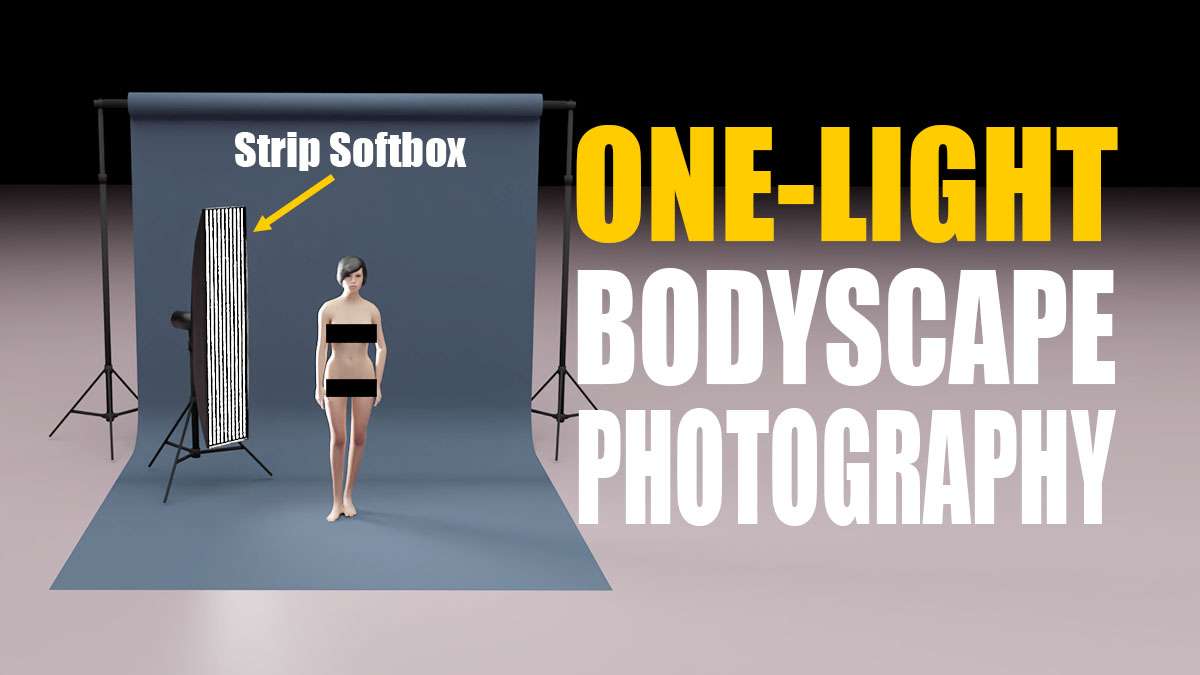
Here’s a quick how-to for creating your first bodyscape photos.
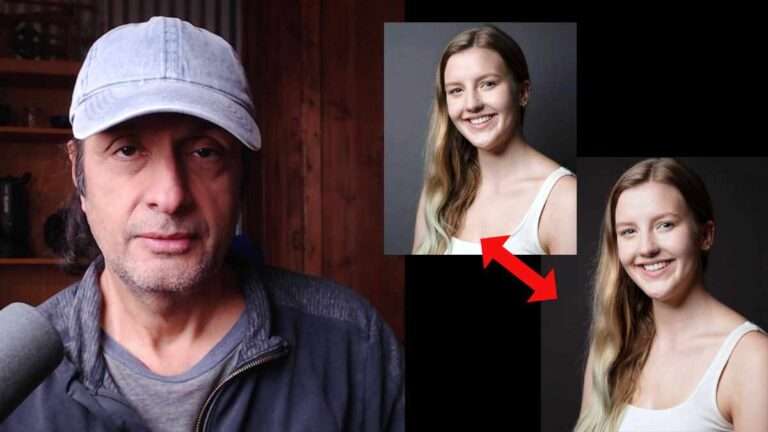
Beginner portrait photographers should understand how even small changes in the distance from the light to the subject can have major effects. This video also discusses how to control exposure on the background in basic portrait lighting setups.

Ever wonder why some photographers seem to book better clients and make more money, while others just struggle? In this post, we’re going to cover five of the fastest ways to improve your portrait photography so you can become more profitable. 1. Attract the Right Clients by Showcasing the Right Work This is a tip…
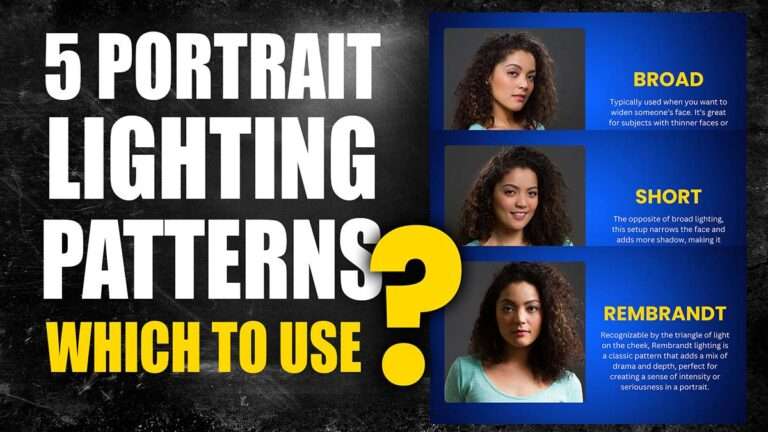
As photographers, we all reach a point where it’s not just about mastering the techniques but understanding when to apply them. One question I recently received is about when to use the different traditional portrait lighting setups. You’ve probably practiced broad lighting, short lighting, Rembrandt, butterfly, and split lighting—so when exactly should you use each…
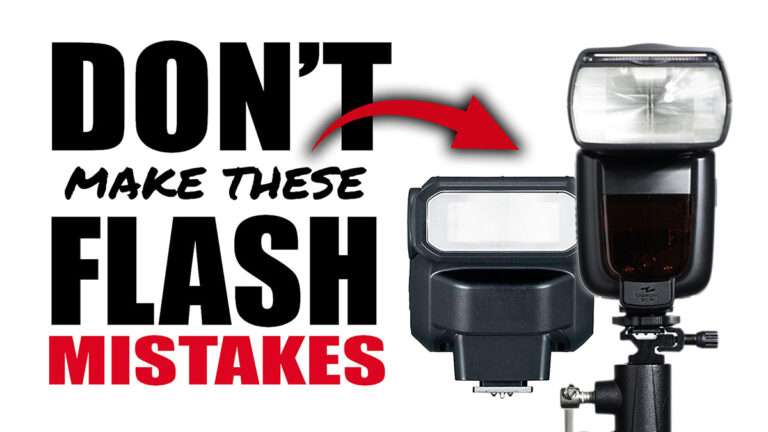
Four common mistakes made by beginners to flash photography: ✅ Choosing the Wrong Flash ✅ Using Direct Flash (too often) ✅ Relying Only on TTL ✅ Misunderstanding High-Speed Sync (HSS) Watch this short video to learn how to avoid these mistakes.

If you’re new to flash photography and wondering what kind of flash to buy for portraits, this video should help. In it, I walk through all the essentials you should look for in your very first flash unit—especially if you’re just getting serious about lighting. I explain why a good speedlight (also known as a…
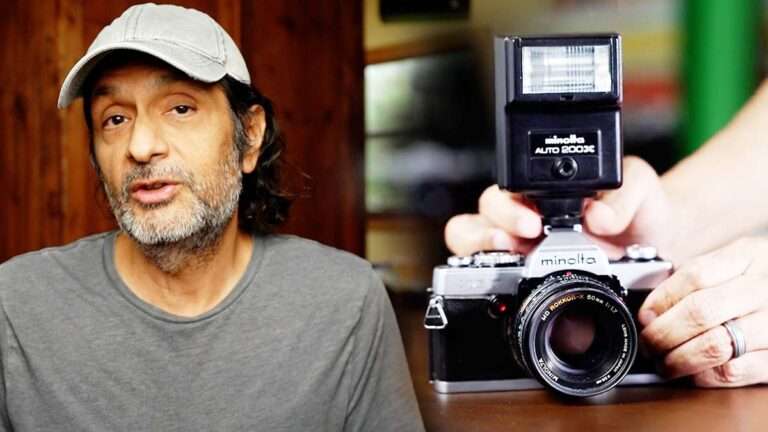
Five important lessons I wish I’d known as a beginner photographer back in the day.