What is Brand Identity?
Brand identity is the visual and emotional representation of your photography business. It’s how your business presents itself to the world and how it’s perceived by clients. For a portrait photographer, brand identity encompasses not just your visual elements like logo and colors, but also your style, values, and the experience you provide to your clients. It’s what sets you apart from other photographers.
Why is Brand Identity Important?
Having a strong brand identity is crucial because it:
- Creates a Consistent Image: It ensures that your business is consistently represented across different platforms.
- Builds Trust: When clients see a professional and consistent image, they are more likely to trust you and your services.
- Attracts Your Target Audience: A well-crafted brand identity can attract clients who are looking for the specific style and values that your brand represents.
- Adds Value: Beyond just the photos, clients are buying into the experience and values of your brand.
How to Develop Your Brand Identity
Building a successful portrait photography business requires more than just artistic talent; it demands a well-defined and cohesive brand identity. From pinpointing your niche and understanding your target audience to crafting a visual identity and developing a unique photography style, each step plays a vital role in shaping how your brand is perceived.
Here’s a six-step process to help you create a strong and consistent brand identity that resonates with your audience and sets you apart from competitors. Whether you’re just starting out or looking to refine your existing brand, these insights will provide you with the tools and strategies needed to elevate your business and connect with your ideal clients.
Step 1: Define Your Brand
Find Your Niche
As a portrait photographer, it’s important to identify what type of portraits you specialize in. This could be anything from family portraits, to corporate headshots, fashion photography, or even pet portraits. Your niche will not only dictate the type of clients you’ll attract but also influence your style, techniques, and the overall direction of your business.
To find your niche, consider your skills, interests, and the type of photography you enjoy most. Also, consider the market demand and competition in your area.
Identify Your Target Audience
Once you’ve identified your niche, the next step is to define your target audience. These are the people who are most likely to be interested in your services. Understanding your target audience will help you tailor your marketing efforts to attract and retain these clients.
Consider factors such as their age, gender, income level, lifestyle, and needs. For example, if you specialize in family portraits, your target audience might be parents in their 30s and 40s with young children.
Define Your Values
Your brand values are the principles that guide your business. They influence how you interact with clients, make business decisions, and present your brand to the world.
To define your values, think about what’s important to you as a business owner. This could be things like quality, creativity, customer service, integrity, or sustainability. Your values should resonate with your target audience and set you apart from your competitors.
Remember, your brand identity is more than just a logo or color scheme. It’s the overall image and feeling that people get when they interact with your business. By defining your niche, target audience, and values, you’re laying the foundation for a strong and consistent brand identity.
Step 2: Develop Your Visual Identity
Logo
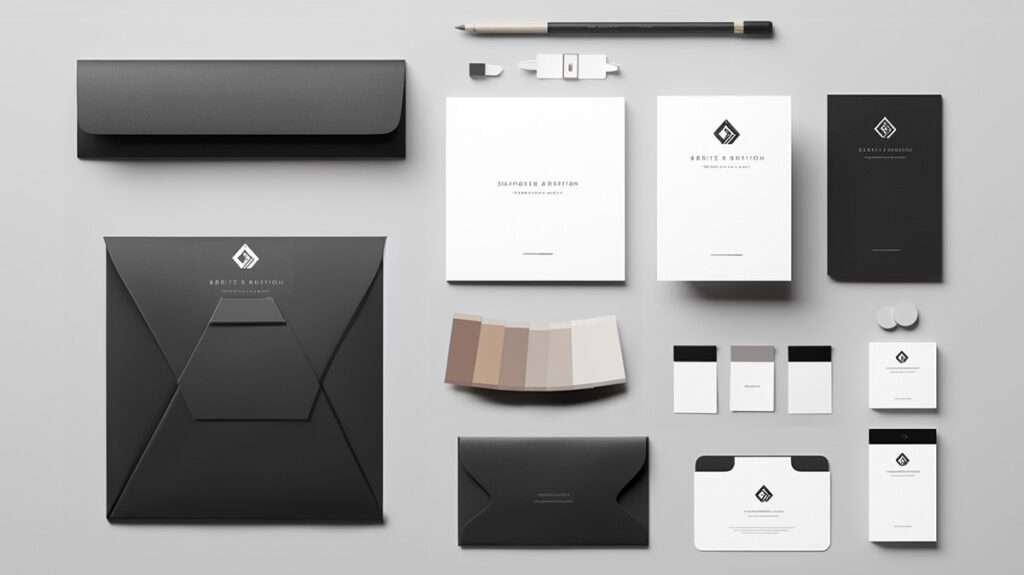
Your logo is a visual representation of your brand and often the first thing people see. It should be unique, memorable, and reflect the essence of your brand. Consider hiring a professional graphic designer to create a logo (and the rest of your visual branding) that embodies your brand’s values and appeals to your target audience. Remember, your logo will be used across various mediums – from your website and social media profiles to business cards and invoices – so it should be versatile and scalable. You can find affordable designers at places like Upwork and Fiverr.
Color Palette
The colors you choose for your brand should represent the mood and style of your photography. For example, if you specialize in vibrant, high-energy portraits, you might choose bold, bright colors. If your style is more classic and elegant, you might opt for a more muted, sophisticated palette. Colors evoke emotions and can greatly influence how your brand is perceived, so choose them carefully.
Typography
The fonts you use in your branding materials should complement your brand style and be easy to read. You might choose one font for headings and another for body text. Consider legibility, especially for digital platforms, and ensure the fonts align with the overall aesthetic of your brand.
Style Guide
A style guide is a document that outlines how your visual elements should be used. This includes specific guidelines on your logo usage, color palette, typography, and any other visual elements associated with your brand. It ensures consistency across all platforms and mediums, which is crucial for building brand recognition.
Creating a strong visual identity is not just about making your brand look good. It’s about ensuring that your brand communicates its values and mission to your audience in a consistent and effective way. It’s an integral part of your brand identity and should be given careful thought and consideration.
Step 3: Develop Your Photography Style
Shooting Style
Your shooting style is how you choose to compose and capture your images. It’s a reflection of your artistic vision and is a key part of your brand identity. Some photographers prefer a candid or photojournalistic style, capturing moments as they happen naturally. Others might lean towards a more traditional or posed approach, directing their subjects to create specific shots. Or perhaps you have an artistic style, using unique angles, creative lighting, or unconventional compositions to create visually striking images.
To develop your shooting style, consider what you’re most passionate about when you’re behind the camera. What kind of images do you enjoy creating the most? What kind of images do you want to be known for? Remember, your shooting style should appeal to your target audience and align with your brand values.
Editing Style
Your editing style is how you choose to process and retouch your images after they’ve been captured. This includes things like color grading, retouching, cropping, and adding effects. Your editing style can greatly impact the mood and feel of your images, and like your shooting style, it should be consistent.
Developing a consistent editing style can help to create a cohesive look across all your images, which is important for building a recognizable brand. Whether you prefer vibrant and saturated colors, a classic black and white look, or a soft and muted palette, your editing style should be a reflection of your brand’s visual identity.
Remember, your photography style is not something that’s set in stone. It can evolve and grow as you do as an artist. However, maintaining a level of consistency in your shooting and editing style can help to establish your brand and attract your ideal clients.
Step 4: Craft Your Brand Voice
Communication Style
Your brand voice is the way your brand communicates with your audience through written and spoken words. It’s not just about what you say, but how you say it. Is your brand voice formal and professional, friendly and approachable, or quirky and unique? Your brand voice should reflect your brand values and resonate with your target audience.
To craft your brand voice, think about the personality traits you want your brand to embody. If you want your brand to be seen as friendly and approachable, your communication style might be casual and conversational. If you want your brand to be seen as high-end and professional, your communication style might be more formal and polished.
Customer Experience
The customer experience is about how your clients feel during and after their session. It’s influenced by every interaction they have with your brand, from the initial inquiry to the final delivery of images. Do you want your clients to feel relaxed and comfortable, excited and energized, or pampered and special?
To create a positive customer experience, consider every touchpoint your clients have with your brand. This includes your website, social media posts, emails, phone calls, and of course, the photography session itself. Strive to make each interaction positive, memorable, and reflective of your brand values.
Your brand voice and customer experience should be consistent across all platforms and interactions. This consistency helps to build trust and familiarity with your brand, which can lead to increased client loyalty and referrals.
Step 5: Build an Online Presence
Website
Your website is often the first point of contact potential clients have with your brand, so it’s important that it makes a good impression. A professional website should not only showcase your portfolio but also reflect your brand identity. It should be easy to navigate, visually appealing, and provide all the necessary information a potential client might need, such as your services, pricing, contact information, and about section.
If you’re not comfortable with the idea of creating your own website, consider hiring a professional web designer to ensure your website is well-designed and functional. Make sure your website is optimized for mobile devices, as many clients will likely be viewing your site on their phones or tablets. Also, consider implementing SEO (Search Engine Optimization) strategies to improve your website’s visibility on search engines.
Social Media
Social media is a powerful tool for photographers to engage with their audience, showcase their work, and attract new clients. Platforms like Instagram, Facebook are particularly popular in the photography industry.
Use social media to share your latest work, behind-the-scenes glimpses, client testimonials, and any promotions or special offers. Engage with your followers by responding to comments and messages, and encourage them to share your content. This can help to build a community around your brand and increase your reach.
Your online presence should be an extension of your brand identity. Whether a potential client is visiting your website or scrolling through your Instagram feed, they should get a consistent impression of your brand. This consistency helps to build trust and recognition, which are key to attracting and retaining clients.
Step 6: Gather Feedback and Evolve
Client Feedback
Regularly gathering feedback from your clients helps you understand how your brand is perceived and where improvements can be made. This can be done through post-session surveys, reviews, or simply by asking clients for their thoughts and suggestions.
Feedback can provide valuable insights into various aspects of your business, from your shooting and editing style to your customer service. It can highlight areas where you’re excelling and areas where you may need to improve. Remember, every piece of feedback, whether positive or negative, is an opportunity to learn and grow.
Adapt and Evolve
As your business grows and evolves, so too should your brand identity. The brand you started with might not be the brand you need a few years down the line. Be open to making changes to your brand identity as your business needs, target audience, or industry trends change.
This could involve updating your logo or website, refining your photography style, or even redefining your brand values. While consistency is important for brand recognition, it’s equally important to ensure your brand remains relevant and aligned with your business goals.
Creating a brand identity is not a one-time task. It’s an ongoing process that requires regular evaluation and refinement. By gathering feedback and being willing to adapt, you can ensure your brand continues to resonate with your audience and support your business growth.
Brand Identity Development: Questions to Guide You
- What words would you want clients to use when describing your photography?
- What emotions do you want your photos to evoke?
- What makes your photography style unique?
- How can you ensure that your client’s experience reflects your brand values?
Creating a brand identity is an ongoing process. It’s about finding the essence of what your photography represents and consistently communicating that to the world. Remember that your brand identity is not just what you say it is, it’s also how clients perceive it. So, listen, adapt, and let your brand identity be the guiding light for your portrait photography business.
BONUS DOWNLOAD: Brand Identity Worksheet

Questions and prompts designed to help you develop and refine your brand identity. Download and print it out (PDF, pages: 4).