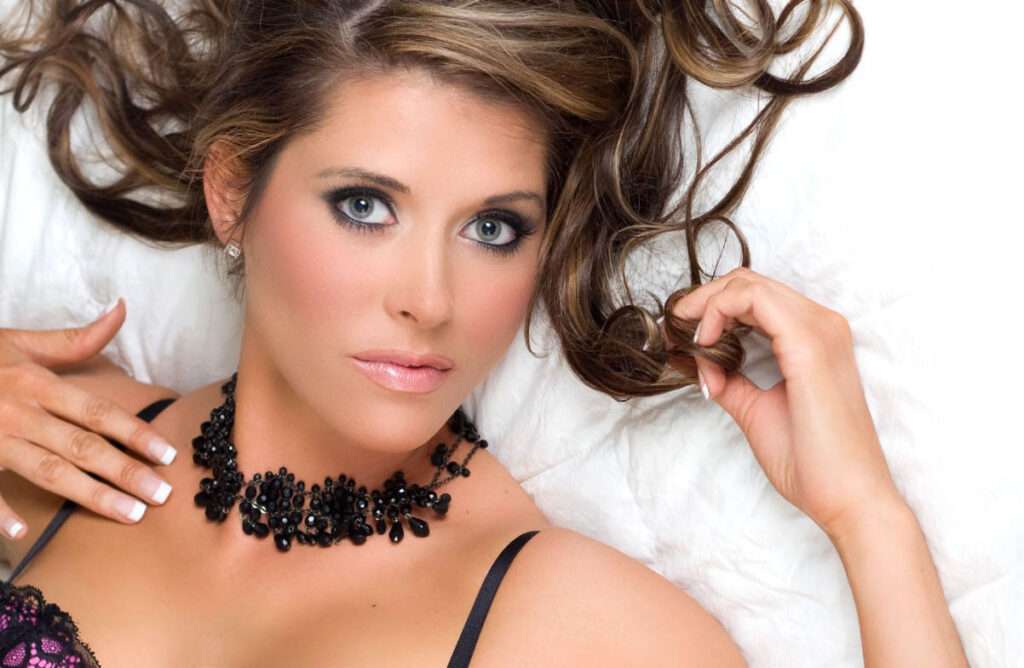
Boudoir photography isn’t about capturing the everyday; it’s about portraying an idealized vision of sensuality and beauty. Unlike traditional portraiture, which aims for a faithful representation, boudoir seeks to capture a fantasy. The focus here is not on accurate color or realistic lighting but on creating a mood or atmosphere that resonates with the viewer.
We use lighting in boudoir to shape the mood, style, and overall quality of our images. Proper lighting enhances the subject’s features, adds depth, and creates the desired atmosphere. Whether you aim for a soft and intimate look or a bold, dramatic feel, mastering lighting techniques is essential for crafting compelling boudoir photographs that convey the intended emotions and aesthetics.
Natural vs. Artificial Light
Some photographers swear by natural light, often achieved through window lighting. While natural light can be beautiful, it comes with limitations such as weather conditions, time of day, and privacy concerns. Artificial light, on the other hand, offers several advantages. It gives you total control over the look of the light and the environment, and there’s no dependency on the conditions outside or time of day. I encourage photographers to become proficient with both natural and artificial light sources, including flash units and strobes, to maximize their creative options.
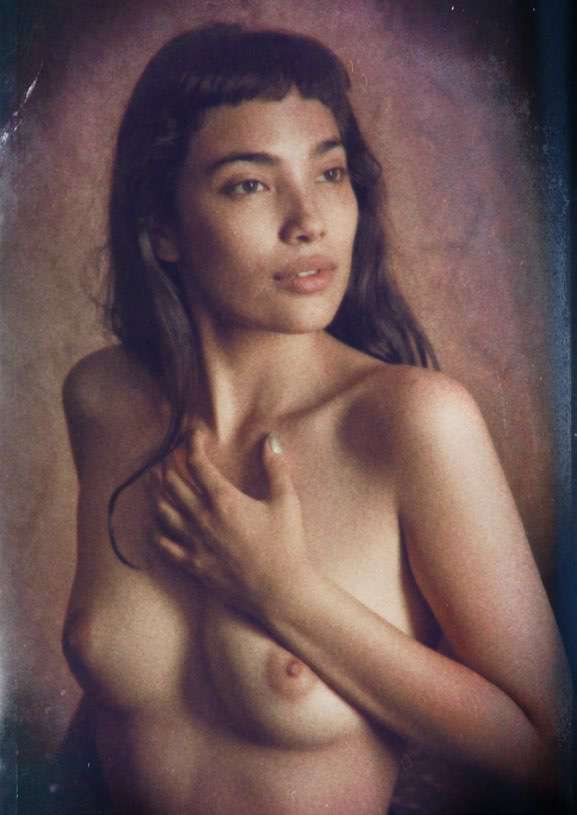
Available and Constant Light: Working with What You Have
When we talk about “available” light, we’re generally referring to natural or constant light in an indoor setting. The key to shooting in such conditions is to balance ISO, aperture, and shutter speed to achieve the lowest possible noise level, if that’s something you want to avoid. Constant light allows you to see its effect in real-time, which is great for learning about light placement. This knowledge is transferable when you switch to flash lighting.

On-Camera Flash: A Versatile Tool
Yes, you can create beautiful boudoir photography with on-camera flash, but it depends on how you use it. Direct flash can look harsh, but some photographers have made this their signature style. If you want softer lighting, try bouncing the flash off a large, light-colored surface. On-camera flash also offers the advantage of Through-The-Lens (TTL) or automatic flash output control, giving you more creative options.
Off-Camera Flash for Total Creative Control
While on-camera flash has its merits, off-camera flash opens up a world of creative possibilities. With off-camera flash, you have greater control over the direction and quality of light. This allows you to sculpt and shape light to enhance your subject’s features and create any boudoir image you can imagine. Off-camera flash provides versatility, enabling you to experiment with different lighting setups to achieve the desired mood and style in your photos.
Lighting in boudoir photography is an important skill. Whether you’re using natural light, artificial light, or a combination of both, understanding the principles of lighting will allow you to create mood-driven images that capture the essence of your subject in just the way you intend.
In our next section, we’ll discuss some easy and accessible lighting gear and techniques you can use to create beautiful boudoir images for your clients.